About
Farmland in a metropolis: that’s where I grew up.
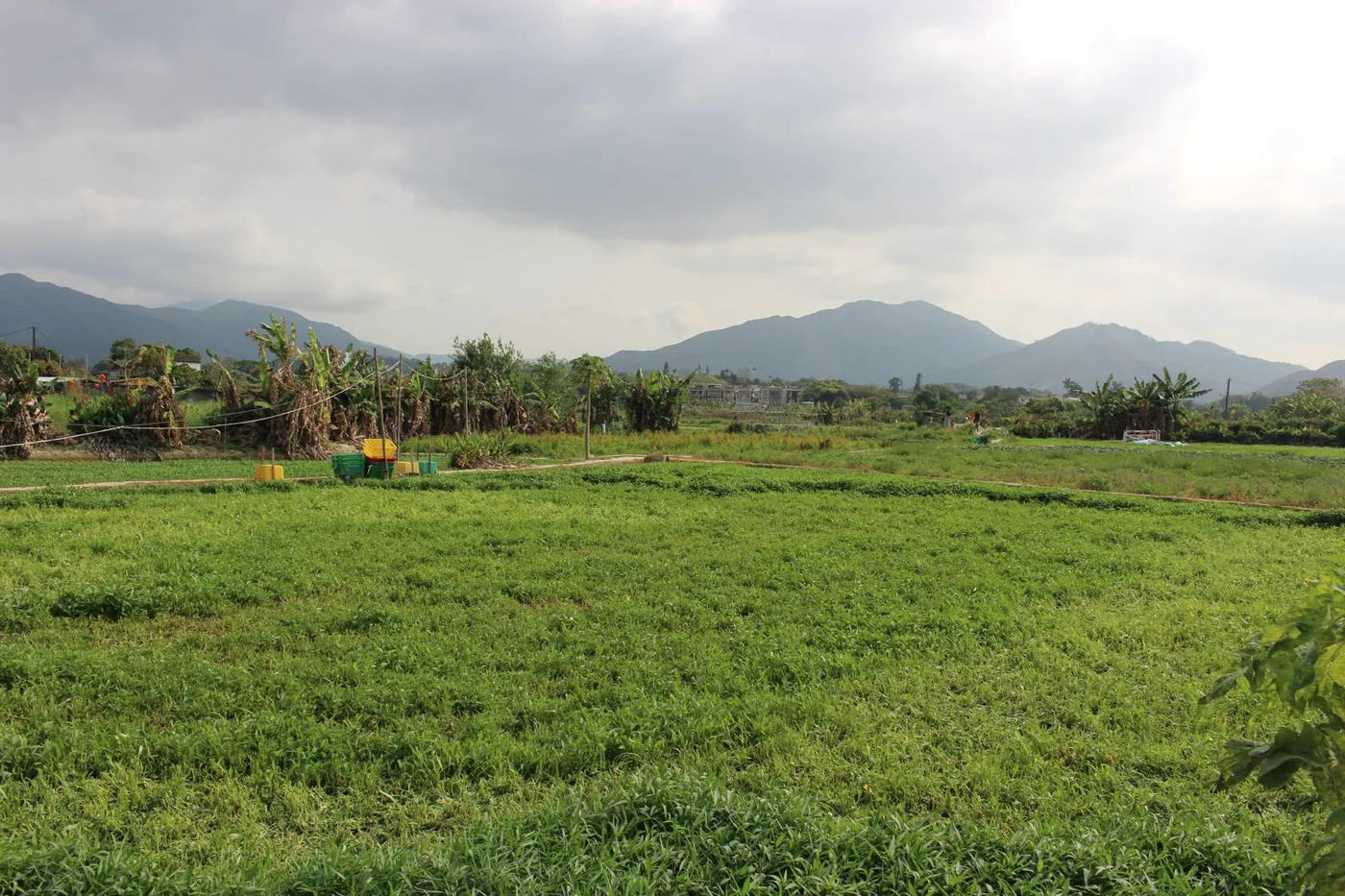
Hong Kong
I grew up near Long Valley in Hong Kong, where farmers, egrets and water buffaloes were part of the landscape around me. My family often took me travelling because my father believed that travelling and studying should inform each other: encounter the world, then return to books with more to understand. That belief stayed with me, shaping my attraction to real projects, competitions and fieldwork.
Hsinchu
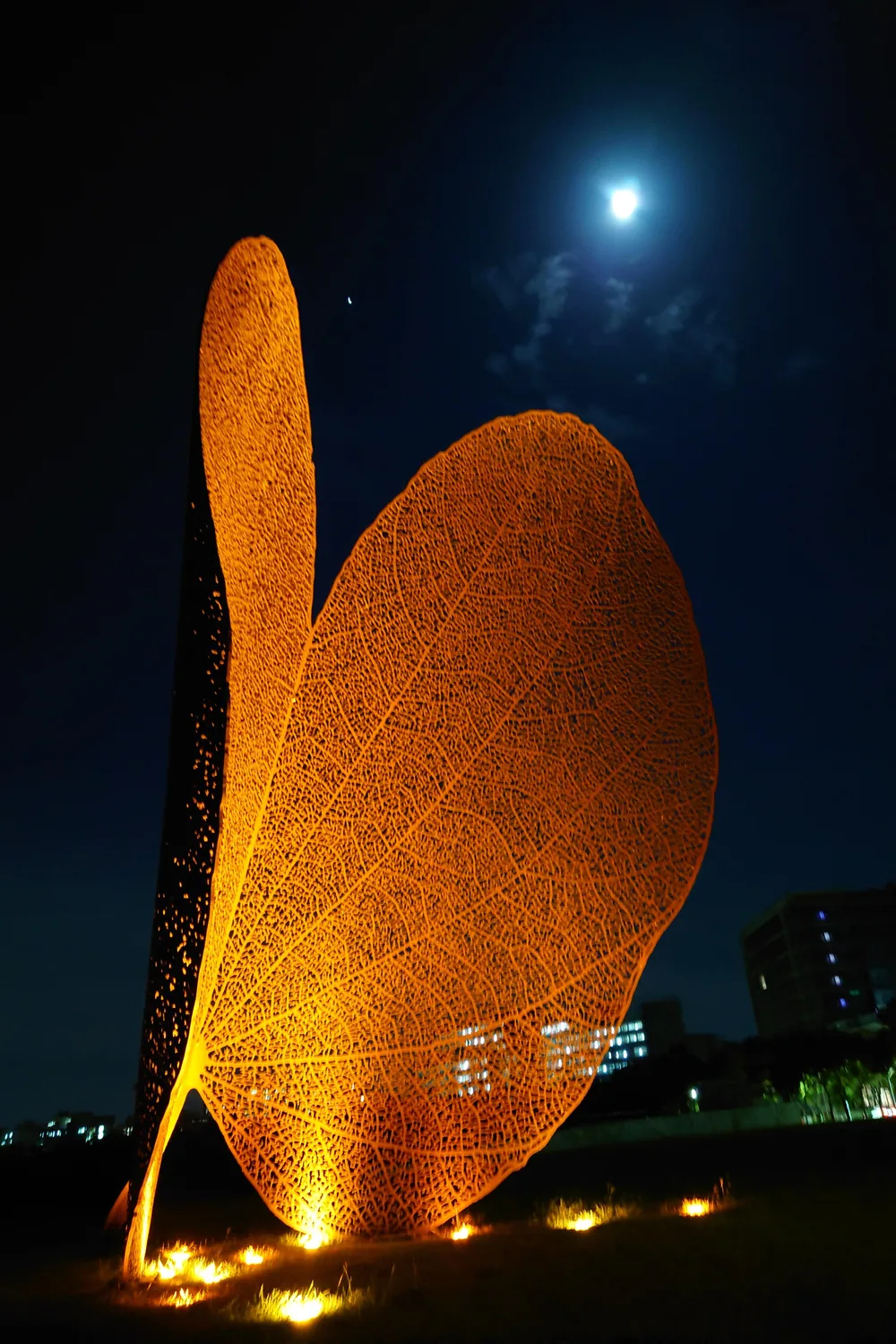
Before university, I took part in drama productions and played the saxophone. The confidence I now bring to presentations and pitches began on those stages. Later at National Tsing Hua University, I studied mechanical engineering and philosophy. I was fascinated by what engineering could make possible, but increasingly curious about what we should build and why. That curiosity took me beyond the classroom, into community fieldwork, conversations with farmers, and projects addressing problems I was still learning to understand.
Further afield
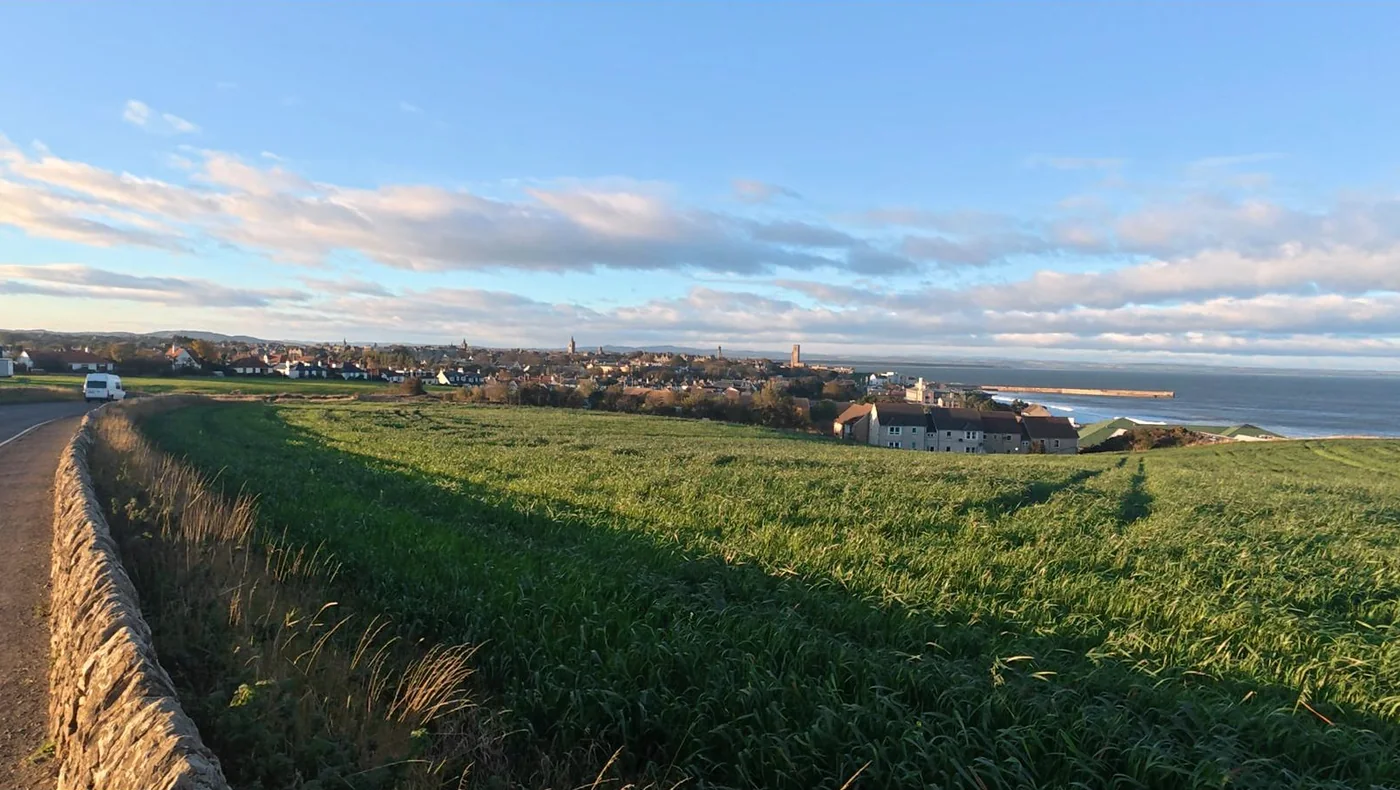
From Hong Kong to Taiwan and later Indonesia and Scotland, I have kept finding different ways to learn: building, questioning, playing music and working with people. These experiences have given me different perspectives on the problems I work on. I keep returning to the same approach: go out, listen, try something, and reconsider what I thought I understood.
Now
Engineering gives me a direct way to change the world. Philosophy and lived experience help me ask what should change, why it matters, and whom it should serve. I’m curious about where bringing these ways of thinking together can take me next.