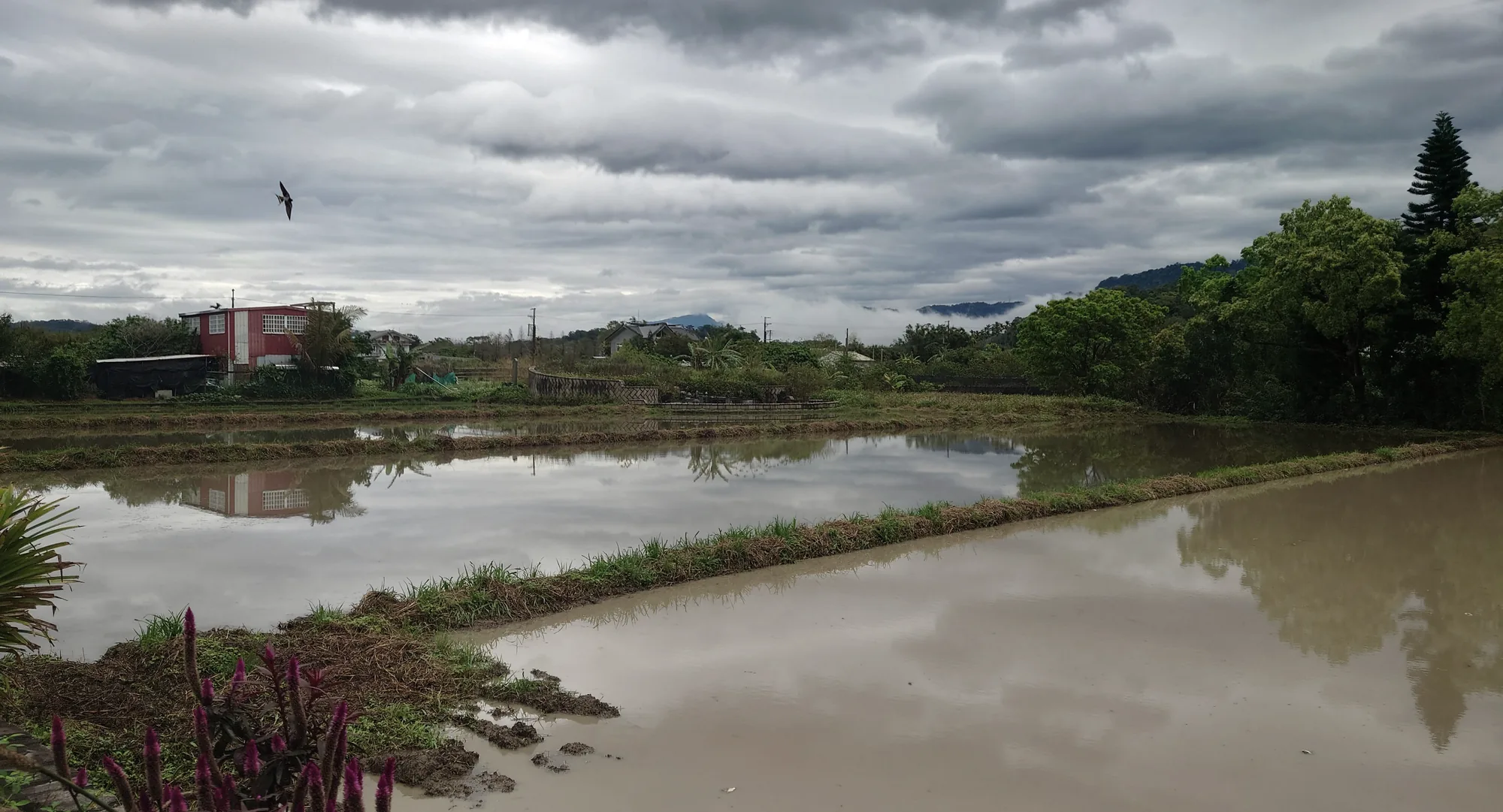
Nanpu Village
Rural fieldwork, digital storytelling, and local guiding
Hsinchu, Taiwan · Spring 2025
Through a collaboration between an NTHU fieldwork course and Nanpu Village, we learned about the community and translated our fieldwork into a StoryMap and a local tour. My main contribution was developing the StoryMap, including independently creating a second version following feedback from villagers. I also helped guide visitors during the tour.
I spoke with several villagers and visited historical sites, including an old family home, to learn about Nanpu’s history, culture, and environment. Water became a recurring thread: the irrigation canals connected the village’s landscape with its livelihoods and everyday life.
What stayed with me was how closely these aspects of the village were connected. Learning about a place meant paying attention to relationships between people, between generations, and between a community and its environment.
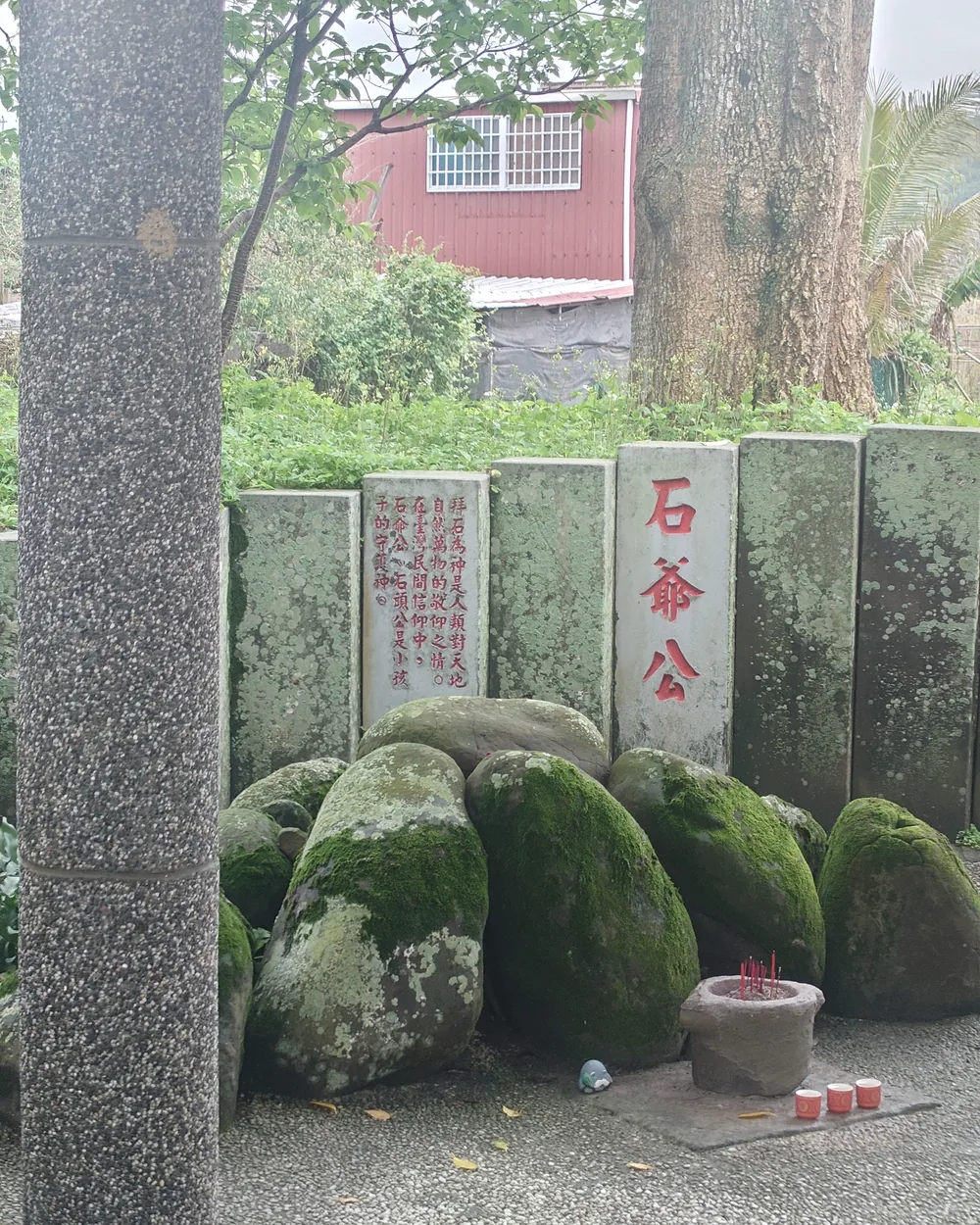
Our first StoryMap focused on the village’s history, including the arrival of people from outside the community. Villagers were unhappy with that version. Their response prompted me to reconsider how we were presenting the place we had come to understand.
I created a new version myself, broadening its coverage of Nanpu’s history, culture, and environment. The revision made me more aware of the responsibility involved in telling someone else’s story: selecting and arranging information shapes how a community is understood.
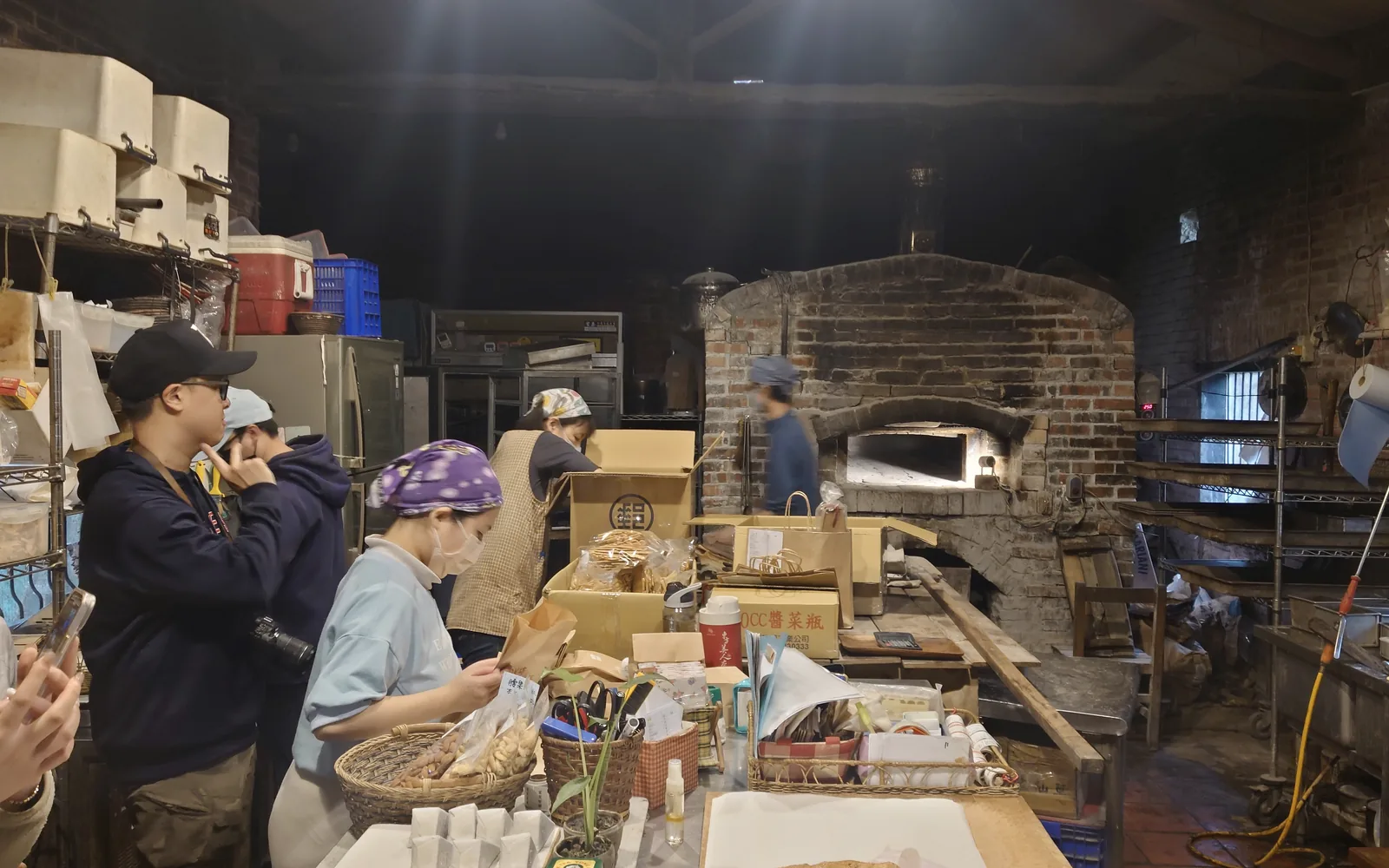
I also took part as a guide when we welcomed visitors, including children, to Nanpu. It rained on the day, making observation and adaptability especially important.
Guiding involved attending to what visitors found interesting, deciding what to share, and keeping track of the group and our time. Knowing the material was only part of the task. I also had to respond to the people in front of me and the conditions around us.
The experience made me think about how much people’s lives depend on their connections with one another, their surroundings, and their history.
It also raised a question I continue to carry into my interest in technology. Digital tools can leave people feeling isolated, even as they make communication easier. How could we design technology that helps people build and sustain relationships—with one another and with the places they inhabit?
Nanpu gave that question a concrete setting: a community whose relationships I had begun to understand through conversations, fieldwork, and sharing its stories with visitors.